


Introduction
Cocopeat, also known as coco peat soil, is a natural growing medium made from coconut husk fibers and is widely used in gardening and horticulture. Many gardeners often ask which plants grow in coco peat and is cocopeat good for plants. The answer is yes—cocopeat for plants is highly effective when used correctly.
This guide explains what is coco peat for plants, its benefits, coco peat uses, and which plants can be grown in coco peat successfully.
What Is Coco Peat for Plants?
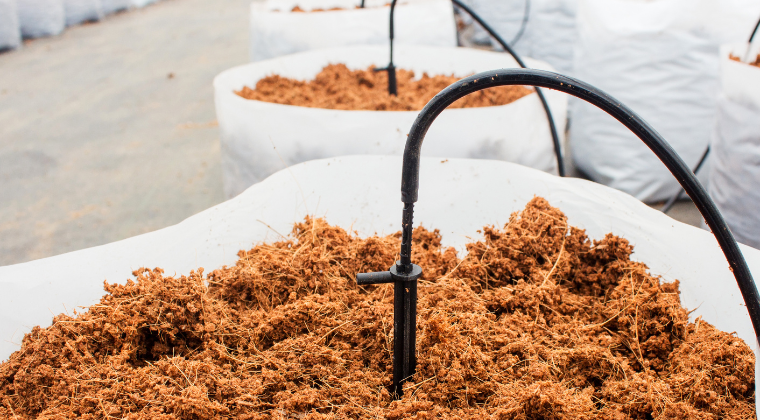
Coco peat is an organic, eco-friendly planting medium derived from coconut husks. It is lightweight, porous, and helps retain moisture while allowing excess water to drain easily. Because of these properties, coco peat is good for which plants that require balanced water retention and aeration.
Cocopeat is commonly available in loose form or as a coco peat block, which expands when soaked in water.
Is Cocopeat Good for Plants?
Yes, coco peat is good for plants because it:
-
Improves root aeration
-
Retains moisture efficiently
-
Prevents soil compaction
-
Supports healthy root growth
Due to these advantages, many gardeners prefer best coco peat for plants instead of traditional soil, especially for container gardening and nurseries.
Which Plants Can Be Grown in Coco peat?
If you’re wondering can plants grow in coco peat, the answer is yes—many plant varieties thrive in it.
Vegetables That Grow Well in Coco peat
Can we grow vegetables in cocopeat? Absolutely. Vegetables that perform well include:
-
Tomatoes
-
Chillies
-
Lettuce
-
Spinach
-
Cucumbers
Using coco peat use for plants like vegetables ensures better root development and water management.
Flowers and Ornamental Plants
Flowering plants and ornamentals respond well when planted in coco peat soil, such as:
-
Roses
-
Marigolds
-
Petunias
-
Geraniums
These plants in coco peat benefit from improved aeration and consistent moisture.
Indoor and House Plants
Many indoor gardeners prefer plant in coco peat because it keeps roots healthy and reduces overwatering risks. Popular choices include:
-
Money plant
-
Snake plant
-
Spider plant
-
Peace lily
Using coco peat in plants grown indoors helps maintain clean, lightweight pots.
Fruits and Berries
Fruits that grow well in cocopeat for plants include:
-
Strawberries
-
Blueberries
-
Dwarf citrus plants
These cocopeat plants benefit from uniform moisture and proper drainage.
How to Use Coco peat for Plants
Understanding how to use cocopeat is important for best results:
-
Soak the coco peat block in water until it expands fully
-
Mix cocopeat with soil, compost, or perlite if required
-
Add fertilizers, as cocopeat has low natural nutrients
-
Use the mix for pots, grow bags, or nursery trays
This method ensures proper use of cocopeat for plants in all growing conditions.
Coco peat Uses in Gardening
Some common cocopeat uses include:
-
Seed germination
-
Potting mix preparation
-
Hydroponic farming
-
Nursery and greenhouse cultivation
Because of its versatility, coco peat use for plants is increasing worldwide.
Conclusion
So, which plants grow in coco peat? From vegetables and flowers to indoor plants and fruits, cocopeat supports a wide range of plant types. If used correctly, coco peat for plants can significantly improve plant health and yield.
Whether you’re a home gardener or a commercial grower, choosing the best cocopeat for plants is a smart and sustainable decision.
FAQs
1. Which plants grow in coco peat?
Vegetables, flowers, indoor plants, fruits, and herbs grow well in coco peat due to its excellent aeration and moisture retention.
2. Can plants grow in coco peat alone?
Yes, plants can grow in coco peat, but adding nutrients is recommended since cocopeat has low natural nutrition.
3. Is cocopeat good for plants?
Cocopeat is good for plants because it improves root growth, drainage, and water retention.
4. Can we grow vegetables in coco peat?
Yes, vegetables like tomatoes, spinach, lettuce, and chillies grow well in cocopeat for plants.
5. How to use coco peat for plants?
Soak the cocopeat block in water, mix it with compost or soil if needed, and use it for pots or grow bags.